
HomeNeuropsychologyCognitive profile
Somebody asked for a neuropsychological assessment and did not explain what that is.
What is working, what is stretched and what needs support, set out in a report you can take to a doctor. Always in person, at your home in Granada.
How it works
- The question first. What you, your family or whoever referred you want to know. That question decides which tests are worth giving; without it you get a pile of scores rather than an answer.
- The tests, in person. Attention, memory, language, and the functions used to plan, hold back and decide. Given at your home in Granada, with the material and the timing they require.
- Scoring against the right norms. Results compared with the norms for your age and education, and read alongside sleep, mood, medication, and the fact that you may be being tested in a language you did not grow up in.
- The report. What is seen, what cannot be claimed, what can be supported. Written in English or Spanish, in the standard international format, and gone through with you in a session afterwards.
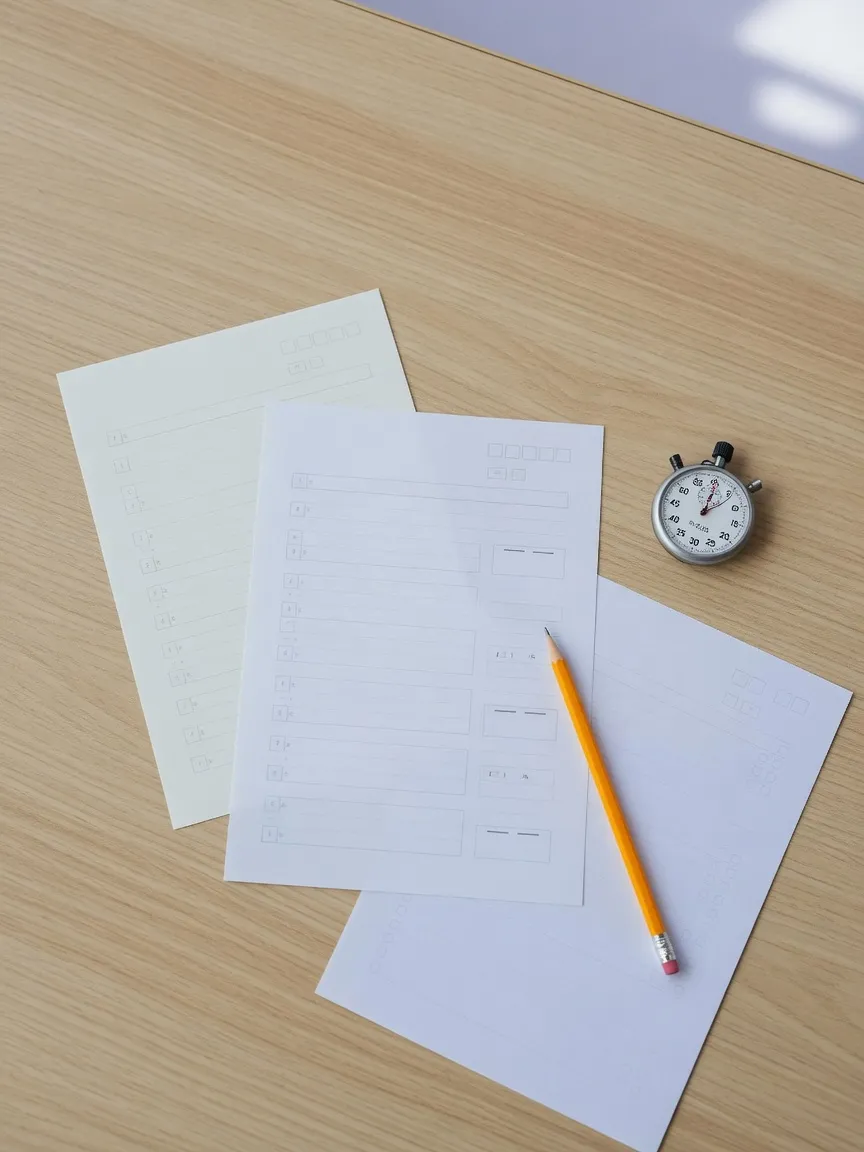
Being sent for tests inside a system you did not grow up in
In your own country you would have known roughly what a referral meant, who to ask about it, and what you would be holding at the end. Here you may have a piece of paper you cannot fully read, no idea whether this is routine or serious, and a follow-up appointment where the answer will arrive quickly and in Spanish, about something that frightens you.
There is also a language question that rarely gets raised. A good deal of cognitive testing runs through language — naming, recalling words, verbal fluency — and somebody doing it in their second or third language will score lower with nothing wrong. Ignoring that produces a number that looks like a deficit and is not one. It has to be built into which tests are chosen and into how the report is written.
What a profile gives you is a picture rather than a verdict: which areas are holding, which are stretched, and what that means for the particular thing you are trying to decide. It is also a baseline. If something changes in two years there is a dated document to compare against, instead of a memory of how you used to be.
What you get out of it
Not a label. A description precise enough to act on.
- You know which areas are strong and which are stretched, instead of one anxious impression of the whole.
- You can go back to whoever asked with a document that answers the question they actually asked.
- Where language affected a result, the report says so, so nobody reads a vocabulary gap as a deficit.
- You have a dated baseline in writing, to compare against if anything changes later.
Who it is for
If a doctor, an insurer or an employer has asked you for a neuropsychological assessment and you left with the referral and without the explanation. Also if nobody asked, and you have noticed that following a meeting, finding a word or reading the same email three times has changed.
- Attention, memory, language, and the functions you use to plan, hold back and decide.
- A profile: what is working, what is stretched, what can be supported.
- What the result cannot say, stated plainly rather than left implied.
- A written report for you, for your family, or for whoever asked for it.
Who it is not for
It is not a single test and it is not a label. It is not a medical diagnosis either: that belongs to the doctor. The assessment itself is always in person and cannot be done by video call.
When it makes sense to get in touch. When somebody has asked for one and you want it done properly; when your own performance has changed and you want figures rather than an impression; or before a decision about work, driving or living alone that ought to rest on something measured.
The first consultation is free. It is there for you to tell me what is going on and for me to see whether I can help, with no obligation to continue.Book the free consultation →
Frequently asked questions
Where does a cognitive profile assessment take place?
Always in person, at your home in Granada. The tests need physical material and direct observation, so this part is never done by video call.
Which language should I be tested in?
Whichever one you are strongest in, which is not always your first language if you have worked for years in another. We decide that before starting, and the report records what was used and what it means for the scores.
How much of my time does this take?
It runs across more than one appointment: the interview, the testing, and a session where I go through the report with you. How many depends on what has to be looked at, and I tell you at the start rather than leaving it open.
Does the referral have to come from a doctor?
No. Plenty of people arrange this themselves because something has changed and they want it measured. If a doctor did refer you, bring what they wrote: the question they are asking shapes which tests are worth giving.
Could stress or lack of sleep explain what I am noticing?
Often, yes, and that is a result rather than a disappointment. Sleep, mood, pain and medication all move these scores, and part of the job is separating what they explain from anything else. If that is what is happening, the report says so.
Do I have to be worried about something to justify doing this?
No. A fair number of these are done to have a measured starting point: before a treatment that may affect thinking, at a point where the family history makes it useful, or simply to stop guessing. A profile that comes out unremarkable is a useful thing to own.
What is the first consultation like?
The first consultation —the initial conversation, not the assessment— is free and we do it by phone or by video call. It is there for us to meet, put some order on what is going on and see whether an assessment is what you need. You do not need to arrive with an answer.